
Across South Africa, farmers are under increasing pressure. Export markets are tightening regulations, minimum residue limits are dropping, and the demand for cleaner produce keeps growing. For many, this means rethinking how pests and crops are managed on farm.
For Jaco Jacobsohn, Production Manager at AL3, this shift did not happen overnight. It has been a steady process built on experience and learning.

From Conventional to Integrated Thinking
Jaco’s move toward integrated farming started in 2018 in the Western Cape, where he worked alongside Peter Leppan, who is well known for his success with biological systems. That experience shaped how Jaco approaches farming today.
He later applied these principles in Tzaneen on macadamias and avocados, and in 2021 brought that knowledge to AL3. Today, the dragon fruit is produced under a fully biological programme, while pomegranates are managed using a balanced integrated approach due to higher pest pressure.
Managing Pests with a System in Mind
In crops like pomegranates, pest pressure can be intense, especially during flowering. Jaco focuses on working with the pest lifecycle rather than reacting to outbreaks.
To manage thrips, he uses a combination of soil and foliar strategies. Real Metarhizium 69 and Phyta are applied as a soil drench to target the lifecycle below ground. At the same time, beneficial insects are introduced into the orchard. Real SwirskiFIX performs well in warmer conditions and feeds actively on thrips, while Real Q-FIX moves easily into flowers and onto leaf undersides where sprays often do not reach.
For mealybug control, Real CryptoFIX is released to keep populations under control. These predatory ladybirds play an important role in maintaining balance in the orchard.
Botrytis is another risk during flowering. To reduce this pressure, Jaco uses Real Trichoderma as part of his preventative programme.
There are times when pressure becomes too high and chemical intervention is needed. In those cases, it is used carefully and only when necessary. The focus remains on keeping the system stable.



Building Soil and Cutting Input Costs
One of the biggest wins at AL3 has been the reduction in fertiliser use. Jaco has managed to cut this by around half by focusing on soil health.
His programme includes humates and fulvates to improve nutrient availability, along with AminoK and NanoCal to support plant strength and nutrient uptake.
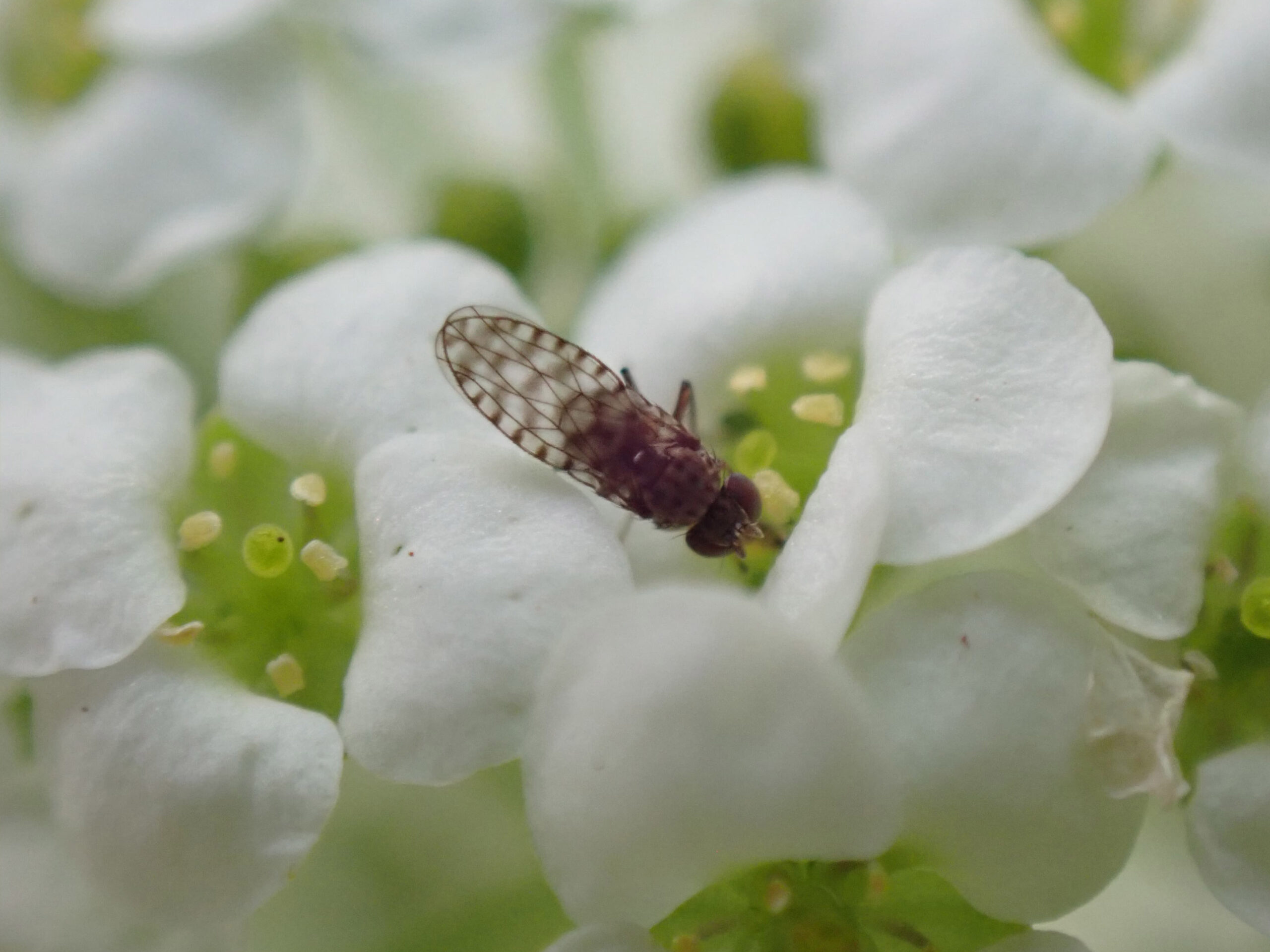
Simple practices have also made a big difference. Wood chip mulching and Alyssum ground cover help retain soil moisture and keep soil temperatures lower during hot periods. These changes support root health and reduce stress on the plants.


Breaking the Ant and Pest Cycle
Ants are often overlooked, but they play a major role in protecting pests like mealybug. Jaco recognised this early on and developed his own ant traps to manage them more effectively.
By reducing ant activity, the natural enemies in the orchard are able to do their job properly. It is a good example of solving the underlying issue instead of constantly reacting to symptoms.
A More Balanced Orchard
Over time, the orchard has become more balanced. There is a noticeable increase in beneficial insects and natural activity. This helps regulate pest populations and reduces the need for intervention.
It also creates a more resilient system that can handle pressure better.
Results That Matter
The shift to an integrated approach has delivered real results:
- Improved fruit quality over time
- Positive feedback from export markets
- A successful fully biological dragon fruit programme
- Reduced reliance on fertilisers and chemical inputs


A Practical Way Forward
Jaco’s approach shows that integrated farming is not about replacing one product with another. It is about building a system that works over time.
For farmers facing tighter regulations and rising costs, this kind of thinking offers a practical way forward. It takes planning and consistency, but the results speak for themselves.